

The Art of Slowing Down: Why Recovery Matters More Than Productivity – We live in a world that applauds exhaustion. If you are not drinking three coffees by noon and answering emails at midnight, society whispers that you aren’t trying hard enough. We treat our bodies like machines and our minds like software that never needs a reboot. You are a biological organism that requires recovery wellness to function. Without it, you are just a battery draining until it dies.
The Cult of Busy vs. The Science of Rest
Somewhere along the line, “busy” became a status symbol. It became a way to signal importance. But constant busyness is often a sign of chaos, not effectiveness. When we ignore our need for rest, we invite burnout. Burnout recovery is not a quick fix; it is a long, slow road back to baseline. It is far better to maintain your engine than to drive it until the wheels fall off.
Science tells us that the brain does its best work when it is offline. This concept might sound counterintuitive. However, research into the “Default Mode Network” of the brain shows that when you stop focusing on tasks and let your mind wander, your brain starts connecting dots. It consolidates memories and solves complex problems in the background. That “aha!” moment you have in the shower isn’t magic. It is the result of your brain finally getting a break from the noise.
1. Your Nervous System is a Smoke Detector
To understand stress, imagine your nervous system health as a smoke detector in your kitchen. Its job is to alert you to danger. In a balanced state, it only beeps when there is an actual fire. This is a healthy stress response. It saves your life when a tiger—or a speeding car—is coming at you.
However, chronic stress breaks the calibration of this detector. Suddenly, the alarm goes off because you burned the toast. Then it goes off because you got an email. Then it goes off because the traffic light turned red. This is dysregulation. Your body floods with cortisol and adrenaline for minor inconveniences. Stress management isn’t just about “calming down.” It is about fixing that smoke detector so it stops screaming at you when you are safe.
2. The Difference Between Numbing and Recovering
We often confuse checking out with resting. You finish a hard day and collapse onto the couch to scroll through social media for two hours. You might feel like you are resting, but your brain is still processing thousands of images, comparisons, and dopamine hits. This is numbing, not recovering.
True recovery wellness requires active disengagement. It means doing things that replenish your energy rather than just pausing the drain.
- Numbing: Watching TV, scrolling phones, drinking alcohol.
- Recovering: Sitting in a sauna, walking in nature without headphones, sleeping, or laughing with friends. Numbing pauses the stress; recovering processes it. If you want to avoid the need for serious burnout recovery later, you need to swap the screen time for face time or quiet time.
3. Why Doing Nothing is Actually Hard Work
Have you ever tried to sit in a room for ten minutes and do absolutely nothing? No phone, no book, no meditation app. Just sitting. For most people, this is agonizing. We are addicted to stimulation. The moment we feel boredom, we panic. We reach for a device to fill the void.
But boredom is a nutrient. It is the soil where creativity grows. When you embrace the art of doing nothing, you allow your nervous system health to reset. You signal to your body that there is no tiger, no deadline, and no threat. This state of safety is where healing happens. It is where digestion improves, inflammation goes down, and sleep quality goes up. Learning to be bored is a superpower in a distracted world.
4. Biological Bank Accounts
Think of your energy like a bank account. Every stressful meeting, hard workout, or late night is a withdrawal. Sleep, nutrition, and thermal therapy are deposits. Recovery wellness is simply the practice of keeping your account in the black.
If you constantly overdraw your account, the bank or your body will eventually shut you down. It will force a payment plan in the form of illness, injury, or mental fog. They know that they don’t get stronger in the gym but while they sleep after the gym. Corporate athletes need to adopt the same mindset. You cannot perform at a high level if you are biologically bankrupt.
5. Laughter as a release Valve
We tend to take our “hustle” very seriously. We frown at our laptops and rush from place to place with furrowed brows. But one of the most effective tools for slowing down stress management is humor. Laughter is a physical release. It engages the diaphragm, increases oxygen intake, and stimulates the release of endorphins.
It essentially tells your nervous system that you are safe enough to play. Integrating humor into your day can break the cycle of cortisol. It adds lightness to the heavy load of modern life. If you can laugh at the absurdity of your to-do list, you are already winning.
6. The Necessity of Thermal Reset
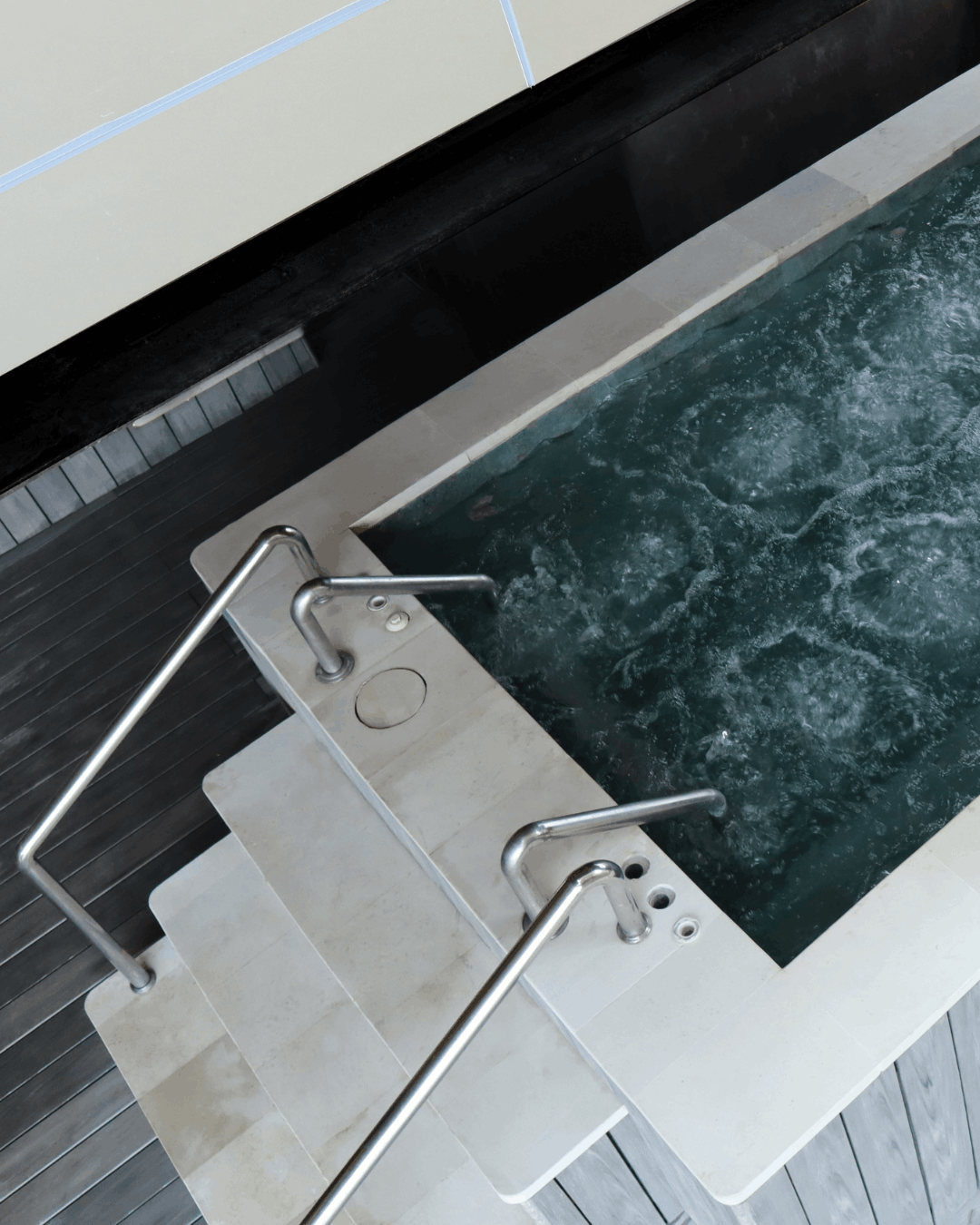
Sometimes, the mind slowing down is too loud to be quieted by will alone. This is where physical intervention helps. Changing your state through temperature is a hack for recovery wellness. Stepping into an ice bath forces you to be present. You cannot worry about your inbox when you are shivering in 4-degree water.
Similarly, the intense heat of a sauna mimics a fever state, activating the immune system and releasing heat-shock proteins. These therapies force a hard reset on your biology. They drag you out of your head and into your body. They are tools that turn the concept of relaxation into a physiological event.
7. Prioritizing Your Recovery Wellness
The shift from seeing wellness as a luxury to seeing it as a necessity is happening now. You don’t wait until your car engine smokes to change the oil. Don’t wait until you have a breakdown to take a break. Recovery wellness is about daily maintenance. It is about small, consistent choices to slow down.
It is okay to say no to plans. It is okay to sleep in. It is okay to be unavailable. These boundaries protect your ability to show up when it matters. When you prioritize recovery, you aren’t just being kind to yourself; you are becoming a more effective, patient, and creative human being.
Your Sanctuary in Canggu
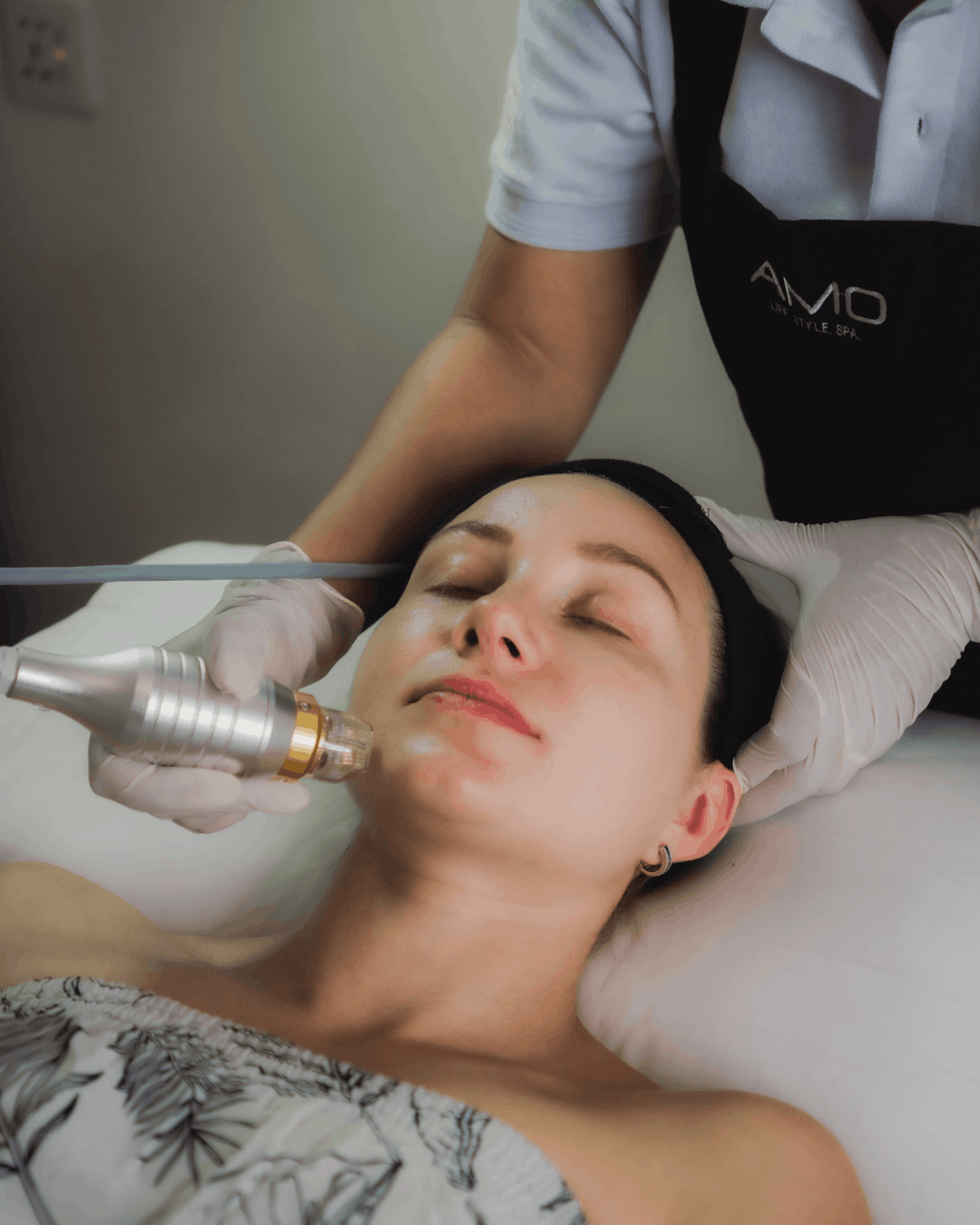
We know that slowing down is easier said than done. Sometimes you need a place that is designed to help you stop. At AMO Spa, we have built a sanctuary dedicated to the art of slowing down. Whether you need the intense reset of our ice baths, the deep release of a therapeutic massage, or just a quiet corner to breathe, we are here for you.
Our facilities are crafted to support your recovery wellness journey. We invite you to step away from the hustle and step into a space where your only job is to receive. Come visit us in Canggu and give your nervous system the break it deserves. Your body will thank you, and your productivity will follow.
The Art of Slowing Down: Why Recovery Matters More Than Productivity – We live in a world that applauds exhaustion.
Share
Related posts