

The New Rich: Why Silence and Mindful Living Are the Ultimate Luxury – We used to brag about our sixty-hour work weeks and packed schedules. Being busy meant you were important and in high demand. But somewhere along the way, the script flipped completely. Now, true wealth isn’t about hustle, it’s about the luxury of mindful living.
We see it in the way executives are trading boardrooms for retreats. We see it in the rise of digital-free zones and silent cafes. The world is getting louder every single day. Consequently, the ability to find quiet has become the most expensive commodity.
In 2026, status is no longer defined by what you own or wear. It is defined by your control over your own time and attention. If you can afford to disconnect, you have truly made it. This shift is reshaping how we view success and happiness.
The Exhaustion of the Information Age
We spent the last decade optimizing every second of our day. We tracked our sleep, our steps, and our productivity levels. But all that data didn’t make us happier or more relaxed. It just gave us new things to worry about regarding our mental wellness.
We are constantly bombarded with notifications, news, and advertisements. Our brains are processing more information in a day than our ancestors did in a year. This constant input leaves us in a state of low-grade anxiety. We are tired because we are never actually “off.”
The reaction to this overload is a collective desire to pull the plug. We are realizing that more information does not equal more wisdom. In fact, it often leads to paralysis and confusion. We are craving a return to simplicity and clarity.
This is where the concept of a conscious lifestyle comes into play. It is the deliberate choice to filter what enters our minds. It is about curating our environment to reduce noise and distraction. We are learning to value quality of thought over quantity of content.
Why Busy is Out and Slow is In
Think about who actually gets to disconnect in today’s economy. It is not the entry-level employee answering emails at midnight. It is the leader who has the power to turn the phone off. A conscious lifestyle signals that you are in control of your boundaries.
The “hustle culture” that dominated the early 2020s is effectively dead. We realized that grinding ourselves into the ground didn’t guarantee success. It mostly just guaranteed burnout and health issues. We are now skeptical of anyone who claims to work 24/7.
Slow living has emerged as the antidote to this toxic productivity. This isn’t about being lazy or doing nothing all day. It is about doing things with intention and focus. It is the refusal to multitask our way through life.
When we practice slow living, we actually get more done. We make fewer mistakes because we aren’t rushing, build better relationships because we are actually listening and find that slowing down creates more time, not less.
The Biology of Being Still
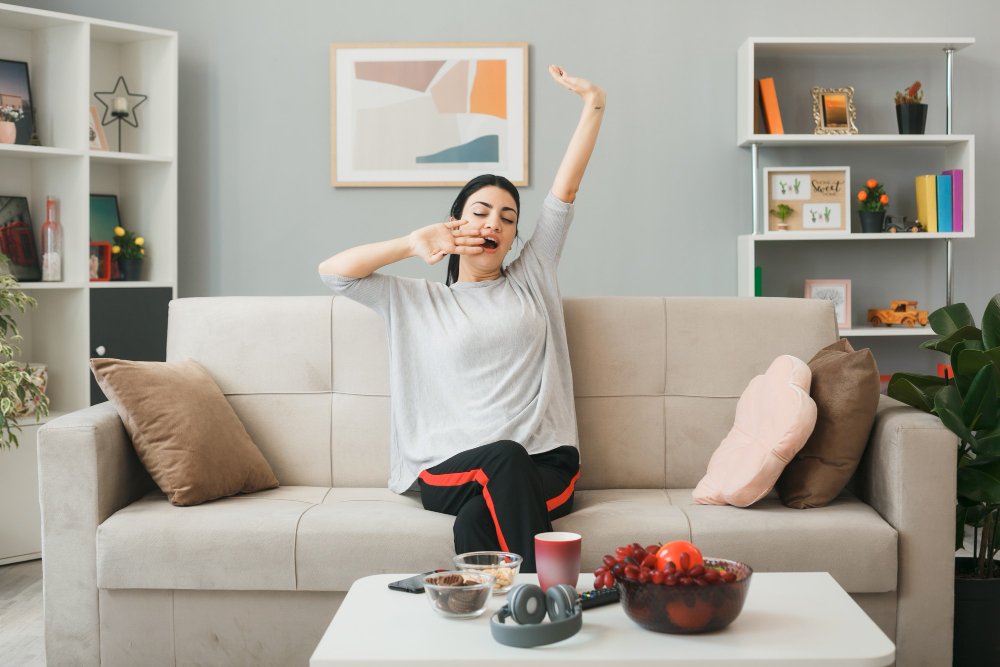
Our nervous systems were not designed for constant digital stimulation. When we are always “on,” we stay in a sympathetic state. This is the “fight or flight” mode that releases stress hormones. Prioritizing mental wellness means physically calming the body down.
We need periods of nothingness to let our brains process and recover. This is when deep thinking and creativity actually happen. You cannot solve complex problems when you are distracted. Stillness is a productivity tool, not just a relaxation technique.
Medical research supports this shift toward a slower pace. Chronic stress is linked to inflammation and a host of diseases. We are realizing that resting is a biological necessity. It is the foundation of long-term health and vitality.
Adopting a conscious lifestyle is the best preventative medicine available. It lowers blood pressure and improves immune function. We are finally understanding that health is not just about the gym. It is about how we manage our nervous system every hour.
Designing a Life for Peace
Look at modern interior design trends for 2026 and beyond. Everything is softer, quieter, and more organic than before. We are building our homes to facilitate mindful living rituals, want our spaces to be sanctuaries, not just places to sleep.
We are seeing a move away from open-concept chaos. People want corners for reading and rooms for silence. We are investing in soundproofing and light filtration. We are trying to build physical barriers against the noise of the outside world.
This extends to how we travel and where we spend our money. We are choosing destinations that offer nature and isolation. We are paying premiums for hotels that promise quiet. Silence is the feature we are willing to pay the most for.
Even our hobbies are shifting toward slow living activities. Baking, gardening, and pottery are surging in popularity. These are tactile, analog activities that force us to be present. They ground us in the physical world and out of the digital one.
The Difficulty of Doing Nothing
It is admittedly difficult to step off the hamster wheel. We get dopamine hits from likes and quick responses. Protecting our mental wellness requires actual discipline and boundaries. It is often harder to sit still than it is to run around.
We have to train ourselves to be okay with boredom. Boredom is actually a fertile ground for the imagination. When we stop scrolling, we start thinking our own thoughts again. It feels uncomfortable at first, but it is necessary.
This is why mindful living is a practice, not a destination. You have to choose it every single day, have to actively resist the urge to fill every silence. You have to become comfortable with your own company.
Sustainability and the Self
We are realizing that the burnout pace is bad for the planet too. Fast fashion and fast food are losing their widespread appeal. A conscious lifestyle aligns with sustainability and ethical choices. We want things that last, including our own health.
When we slow down, we consume less impulse garbage. We make better decisions about what we buy and use. We stop trying to fill an emotional void with material things and find satisfaction in what we already have.
This connects our personal health with the health of our environment. Slow living reduces our carbon footprint naturally. We travel with more intention and eat with more awareness. It is a holistic approach to existing on this planet.
Restoring Your Natural Rhythm
You don’t need to quit your job to find balance. You can start by reclaiming your mornings or evenings. Slow living can happen in the small gaps of a busy day. It is about the quality of attention you bring to the moment.
Start by turning off notifications for non-essential apps. Create a rule that you don’t look at screens during meals. Take ten minutes to walk outside without listening to a podcast. These small acts reclaim your mental space.
Your mental wellness depends on these boundaries. You have to be the guardian of your own attention. If you don’t protect your peace, no one else will. It is the most important job you have.
We all have the capacity to find this stillness within us. It is not something you buy; it is something you uncover. It is waiting for you underneath the noise and the rush. You just have to be brave enough to stop.
Experience True Stillness at AMO Spa
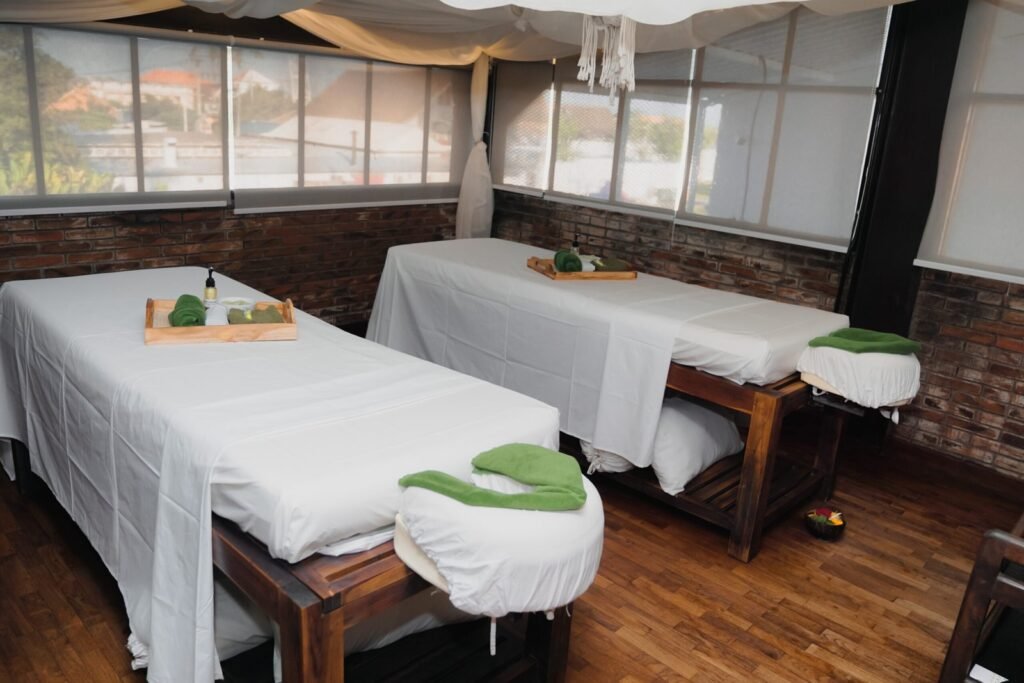
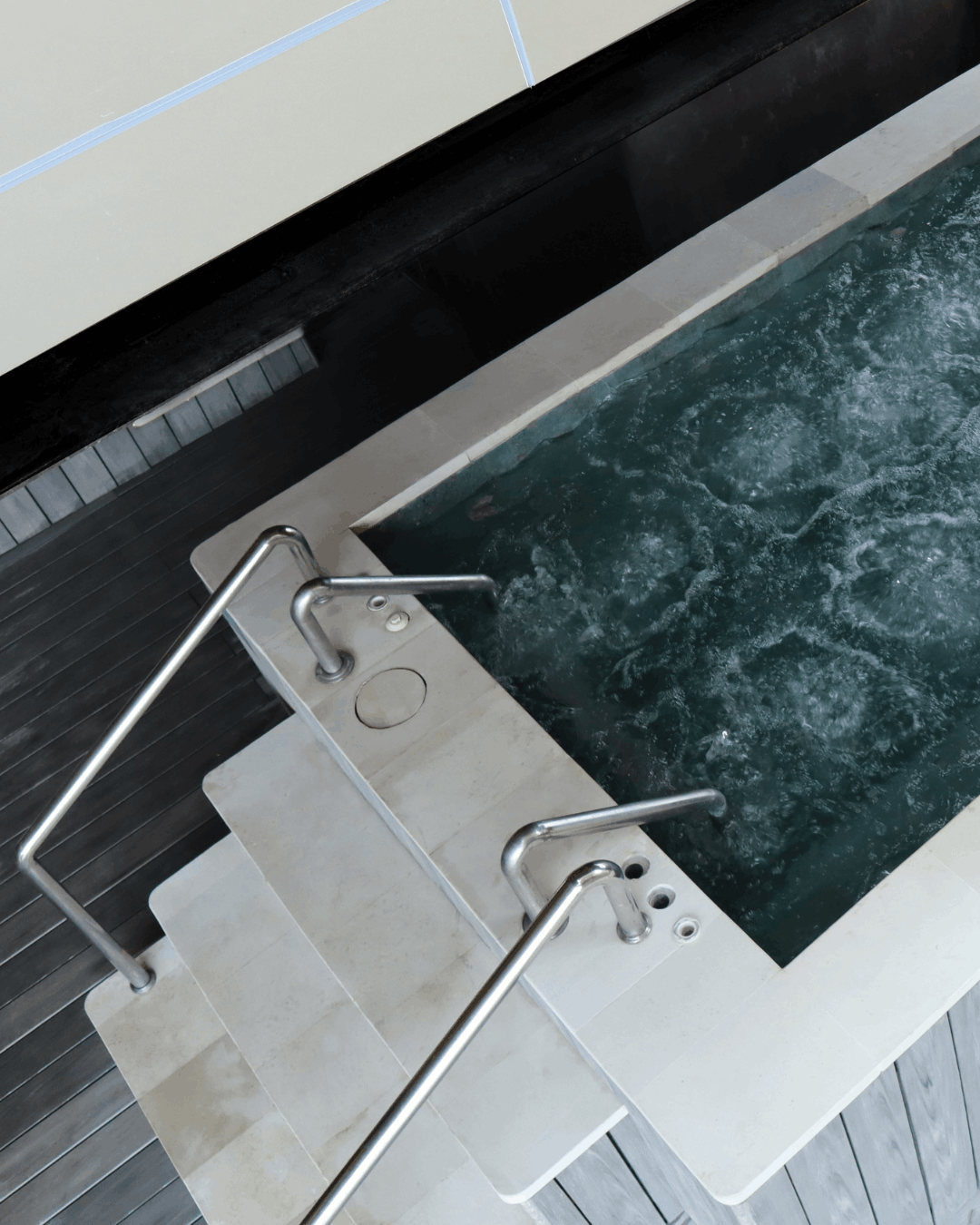
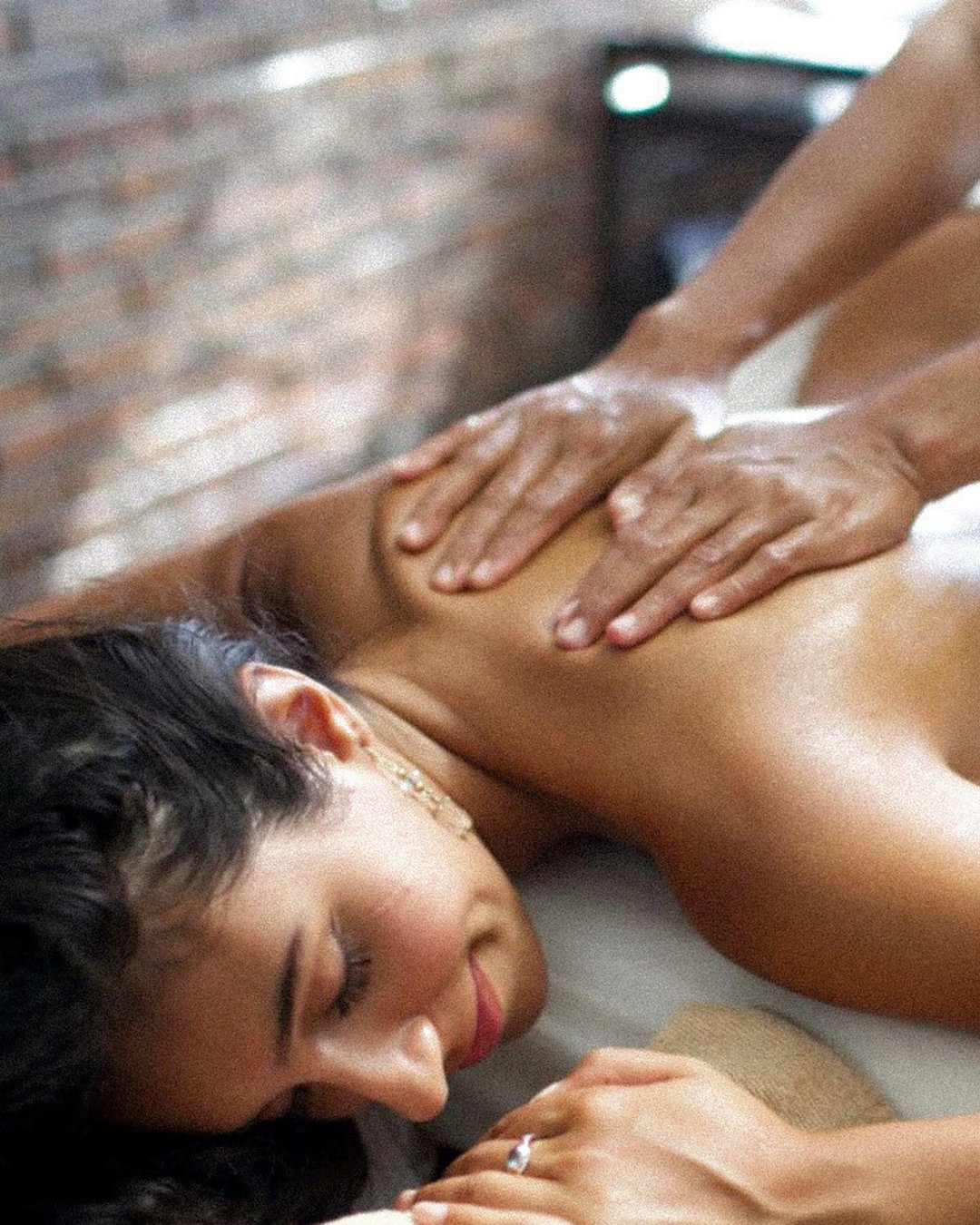
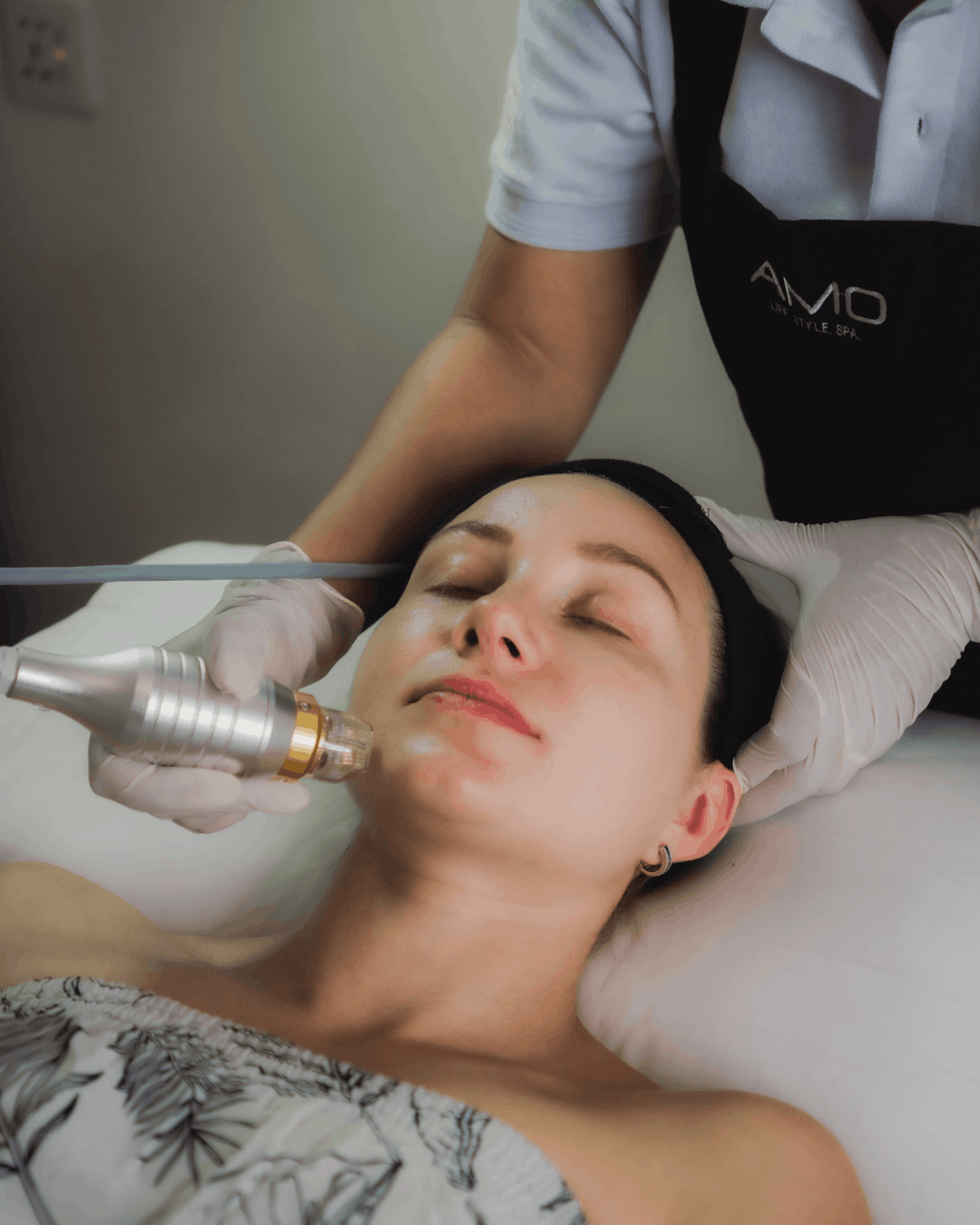
We invite you to experience this stillness firsthand with us. At AMO Spa, we have created an environment for deep rest. We help you practice mindful living through expert care and silence. We provide the space you need to disconnect.
Our treatments are designed to calm the nervous system. We use touch and atmosphere to help you let go. It is a physical reminder of what peace feels like. You deserve to feel this way more often.
Come see us and reclaim your peace today. Let us show you the luxury of slowing down. Book your appointment at AMO Spa now. It is time to invest in your own calm.
Share
Related posts